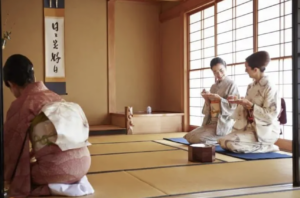
5 Most Important Tea Ceremony Manners Every Beginner Should Know
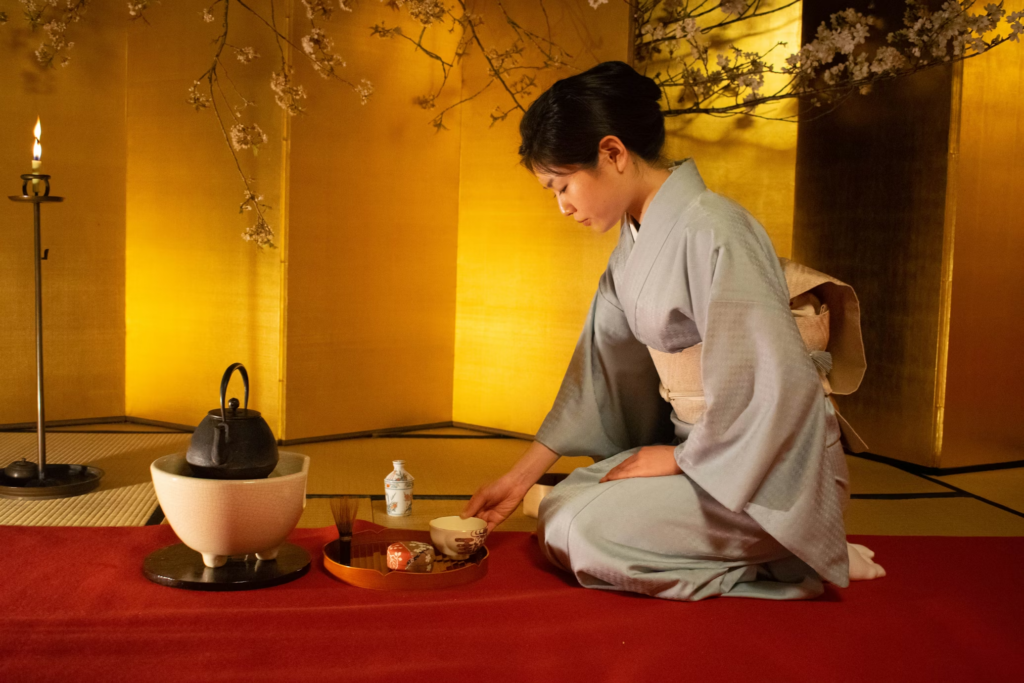
Photo: Romeo A on Unsplash
A graceful beginner’s guide from Tokyo Matcha Academy
Tea ceremony, also known as a mental training form of chanoyu (茶の湯) is not simply about drinking matcha. It is a quiet exchange of respect, gratitude, and mindfulness. Every word, gesture, and movement has meaning.
Many beginners are surprised to learn that there are said to be more than 1,000 rules and forms within tea ceremony traditions. That may sound intimidating at first—but there is no need to memorize everything from the beginning.
At Tokyo Matcha Academy, we believe the best way to start is by understanding the heart behind the practice. These five manners are the ones we feel are most important to remember first.
1. 「ご機嫌よろしゅうございます」Gokigen-Yoroshū-Gozaimasu
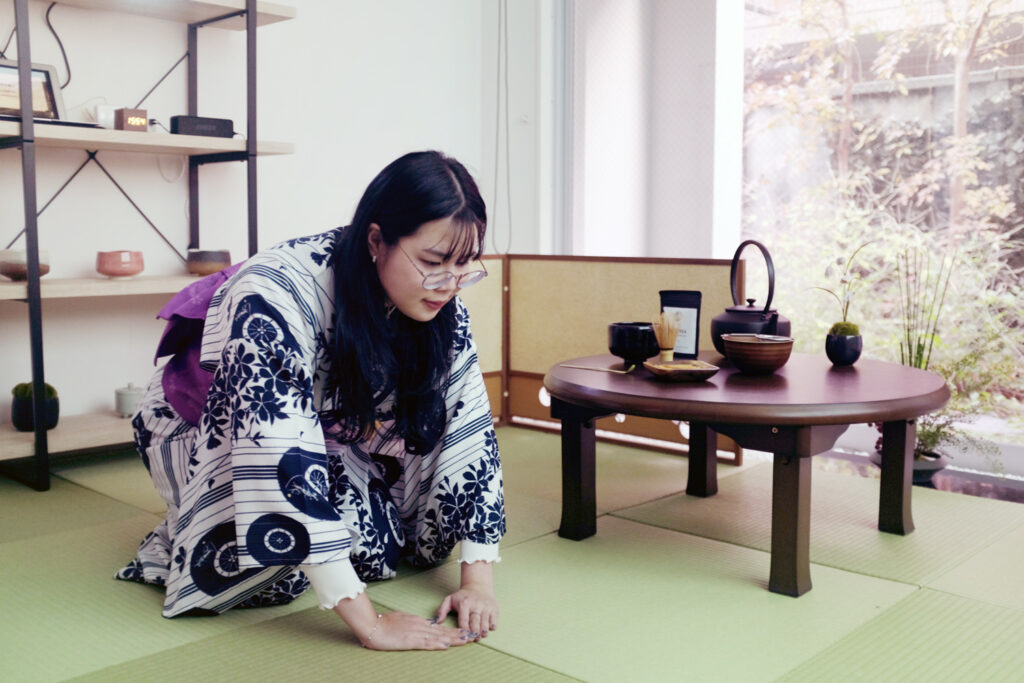
A graceful greeting before tea begins
This traditional phrase is used to greet others in the tea room politely and warmly. It helps create a calm and harmonious atmosphere before tea is served. This phase is also used as “good bye” in tea ceremony.
Sit or stand with calm posture, bow lightly from the waist, and say the words gently and clearly. In tea ceremony, the atmosphere begins with the greeting.
It carries the feeling of:
“I hope you are well, and I am pleased to share this moment with you.”
In the tea room, even the first greeting is part of the ceremony.
2. 「お点前ちょうだい致します」Otemae Chōdai Itashimasu
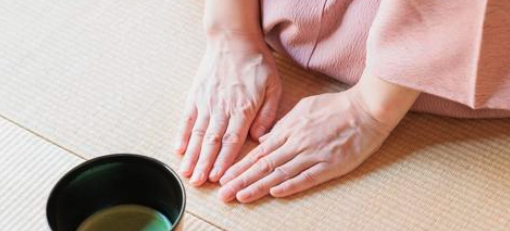
Gratitude to the host
Before receiving tea, guests often say:
「お点前ちょうだい致します」Otemae Chōdai Itashimasu
This means you are respectfully receiving the host’s tea preparation.
A bowl of matcha may look simple, but behind it are careful movements, preparation of utensils, attention to seasonality, and the host’s sincere wish to welcome guests.
When the bowl is offered, receive it with both hands, bow slightly toward the host, and speak the phrase with sincerity.
This small moment acknowledges the care that has been offered to you.
3. Gratitude to the Matcha and the Tea Farmers
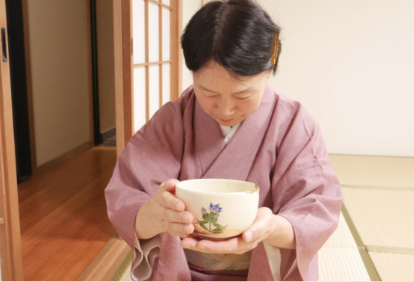
Honoring the many hands behind one bowl
Before drinking, it is meaningful to thank not only the host, but also the matcha itself and the people who cultivated it.
Tea leaves were grown through sun, rain, changing seasons, patience, and skill. Behind every bowl are farmers, producers, and generations of tea knowledge.
Traditionally, guests bow quietly while seated in seiza and pause for a brief moment before drinking. This gesture reminds us that tea connects nature, craftsmanship, and human effort.
One bowl of tea is never created by one person alone.
4. Gratitude to the Tea Bowl and Its Artistan
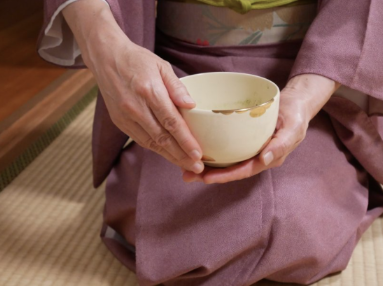
Appreciating the beauty in your hands
The tea bowl is never just a container.
Its shape, texture, weight, and glaze all shape the tea experience. In many tea gatherings, utensils are carefully chosen to match the season, occasion, or theme of the day.
In order to show respect and appreciation, guests turn their tea bowls twice clockwise (90° each time) so that they avoid drinking matcha from the front of the bowl, which is said to be the most beautiful part of the tea bowl.
As you hold the bowl with both hands, take a quiet moment to observe its form, texture, and beauty.
5. The Final Sip: 「吸いきり」Suikiri
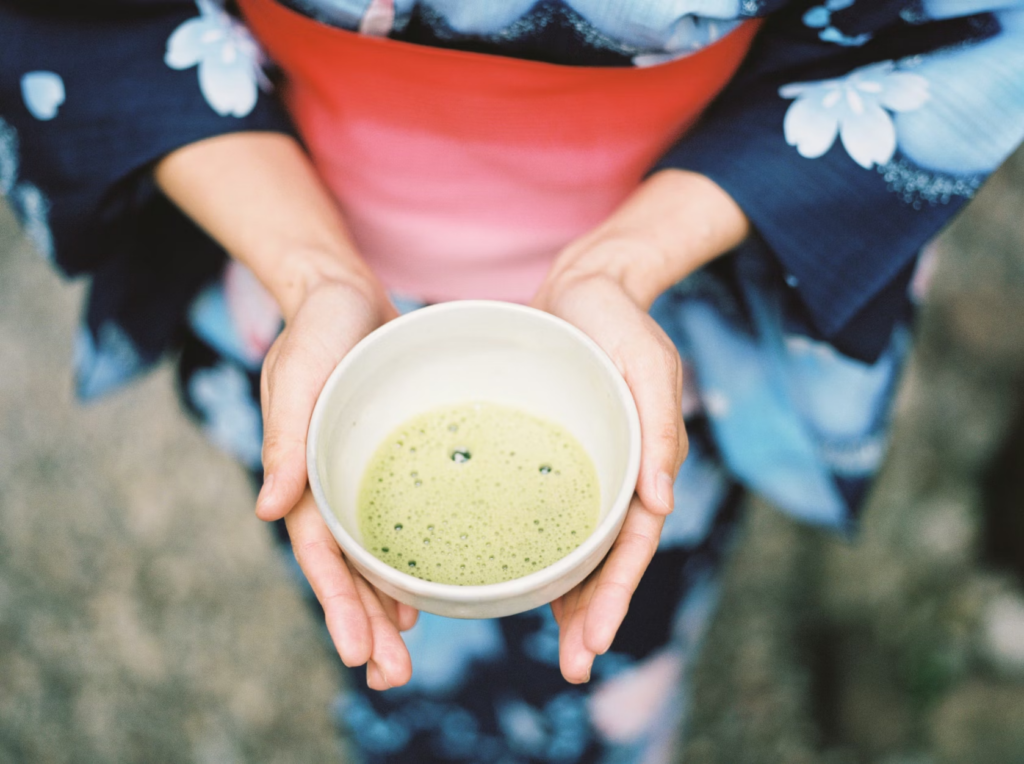
Photo: Motoki Tonn on Unsplash
A small sound with elegant meaning
Before finishing the tea completely, a gentle final sip called 「吸いきり」“suikiri” is made.
This subtle sound tells the host three things:
- The matcha was delicious
- The tea has been fully enjoyed
- You have finished drinking
When only a little tea remains, tilt the bowl slightly and drink the last sip completely. The soft finishing sound should be natural and understated.
Even the last sip becomes a form of gratitude and communication.
Summary: Start with the Heart of Tea Ceremony
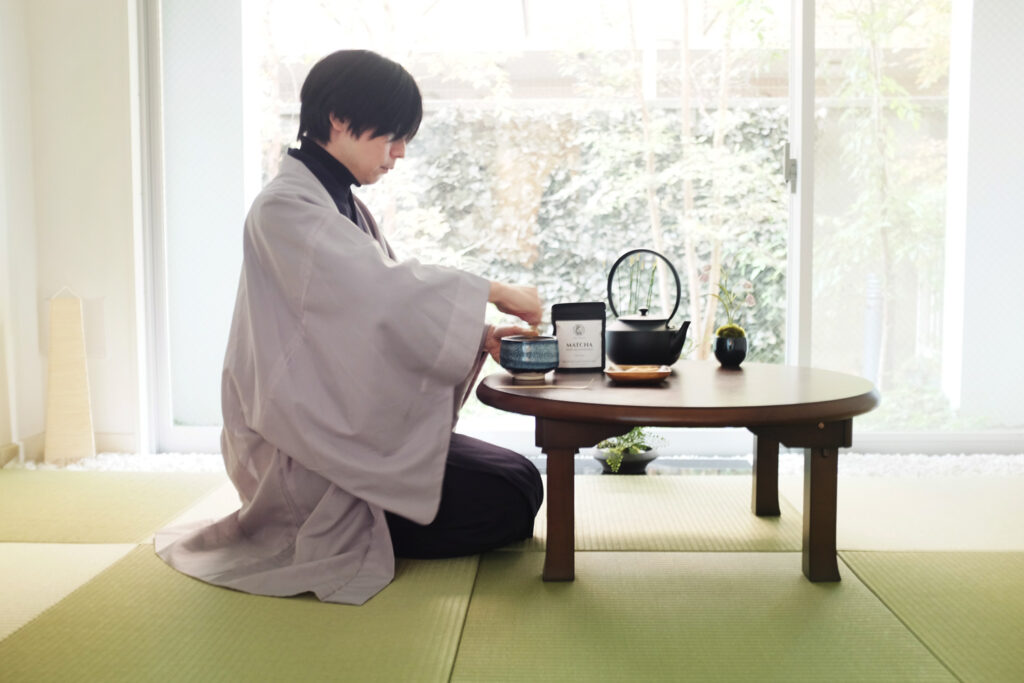
There may be more than 1,000 rules, but beginners do not need to master them all at once.
Start here:
- Greet others warmly
- Appreciate hospitality
- Respect nature and labor
- Notice beauty
- Express thanks until the final sip
These five basic manners are not about perfection. They are about sincerity.
At Tokyo Matcha Academy, we help beginners experience authentic tea culture in a welcoming and enjoyable way. Once you understand the meaning behind each gesture, tea ceremony feels natural—and unforgettable.
Take Part In Our Matcha & Kimono Cultural Experience
If you’re interested in experiencing a deeper side of Japanese culture during your visit, come visit our cultural experience called Tokyo Matcha Academy.
At Tokyo Matcha Academy guests can dress in kimono and learn how to prepare authentic Japanese matcha while exploring the traditions behind Japanese tea culture. We guide visitors through the basics of whisking matcha and explain the history and meaning behind the tea ritual.
It’s designed to be a relaxed, hands-on experience where travelers can slow down and enjoy a quieter side of Japan while sipping freshly prepared matcha.
Wearing kimono also makes it a wonderful opportunity for photos and a chance to experience traditional Japanese aesthetics in a meaningful way.
If you’re looking for a cultural activity beyond sightseeing, this can be a special way to connect with Japanese tea traditions and hospitality.
Interested in joining one of our workshops? Make a booking on our site at
https://matchajaponica.com
We look forward to seeing you during your trip to Tokyo!

You might also like
- Mysticism to Mindfulness: Introduction to Beverage-Based Ceremonies Around the World

- How Tea Ceremony Teaches Mindfulness Through The Senses
- A Beginner’s Guide to the History of Japanese Tea Ceremony
- Zengo in Japanese Tea Ceremony: 5 Important Zen Words Behind the Spirit of Matcha

- 5 Most Important Tea Ceremony Manners Every Beginner Should Know
- First Tea Ceremony in Japan? Try Bringing These Items!