First Tea Ceremony in Japan? Try Bringing These Items!
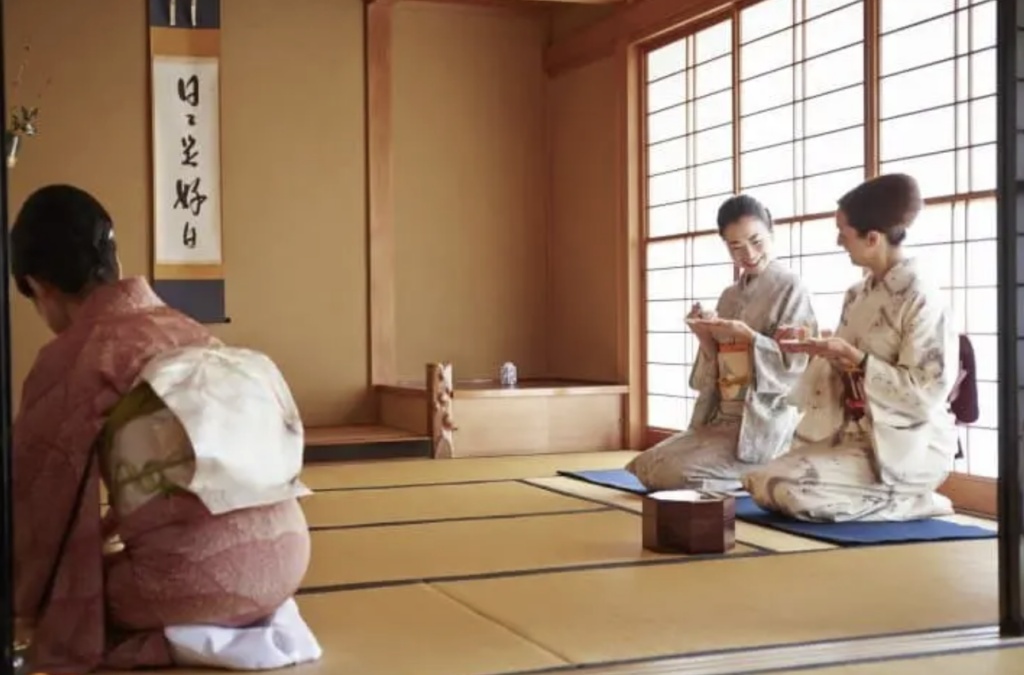
Hello! My name is Sam and I am one of the matcha maniacs working at the Tokyo Matcha Academy. If you are interested in kimono, Japanese traditional culture, and tea; I’ve got you covered! Join us bi-weekly, as we explore teaism and sado!
What is Tea Ceremony?
Sado (茶道), Chanoyu(茶の湯), or Japanese Tea Ceremony, dates back to the Azuchi-Momoyama period (安土桃山時代) when Sen no Rikyu (千利休) – a Zen Buddhist monk – became the tea master for the shogun Oda Nobunaga (織田信長).
He was a practitioner of wabi-cha (侘び茶), but was posthumously declared the founder of modern chanoyu. Wabi-cha is a form of chanoyu that focuses on the beauty of simplicity and imperfection, based on the concept that communication is best developed in pure spaces. Sen no Rikyu continued to develop the practice by adding in a form of mental training which led to it’s current form.
So what is sado exactly?
Sado is the discipline of both your body and mind through the repetition of welcoming your guests with tea. This process is not only a practice of mindfulness for the tea master, but also for guests partaking in the ritual. So here is a quick list of essentials for you to bring with you, if you’re wishing to partake in a traditional tea ceremony.
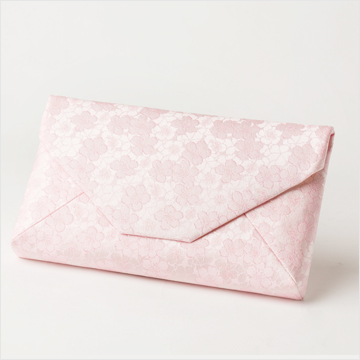
Sukiya Bukuro (数寄屋袋) – Used to Store Your Tea Ceremony Items
A small square of fine fabric used to hold treasured tea ceremony equipment. The fabric is doubled and stitched on three sides and holds the fukusa, kaishi, kaishikiri, and sensu which we will discuss later in this article. This is generally used in the school of urasenke (which we will get into in another article).

Fukusa(帛紗) – A Cloth to Purify Items
What is a fukusa you may be wondering? Well it is a thick, square cloth, used to purify tea utensils. Not only the tea master, but the guests should also have this piece of fabric with them. Generally women use red or vermillion, while gentlemen use purple; however this rule has loosened up over the years with some folks switching colours.
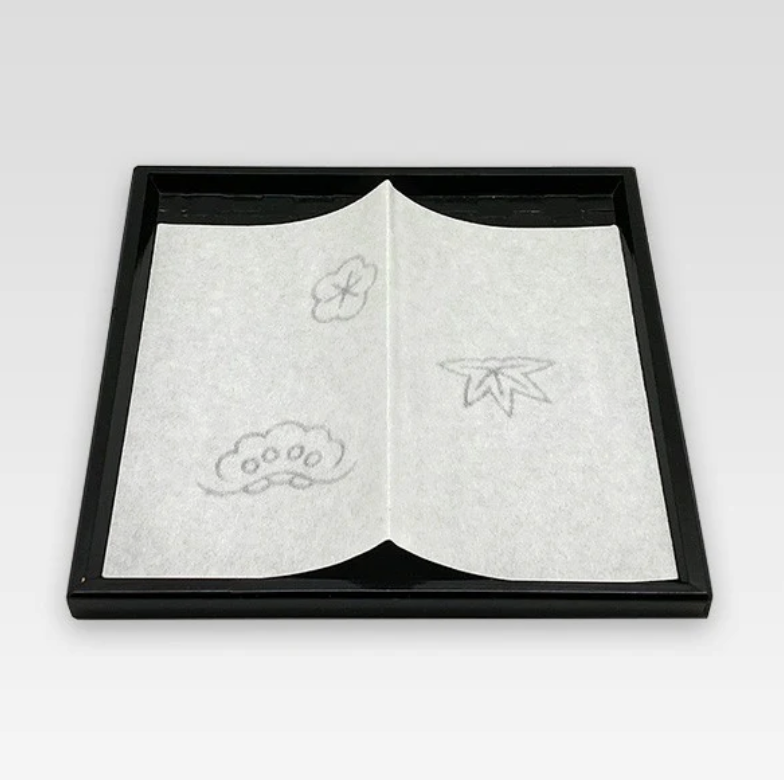
Kaishi(懐紙) – Washi Paper
While you’re participating in practicing sado, you will notice that aside from the tea bowl, no cutlery is provided. Therefore, guests bring Japanese washi paper to use as both a plate to enjoy traditional sweets, but also to wipe their kaishikiri and their tea bowl after they are used.
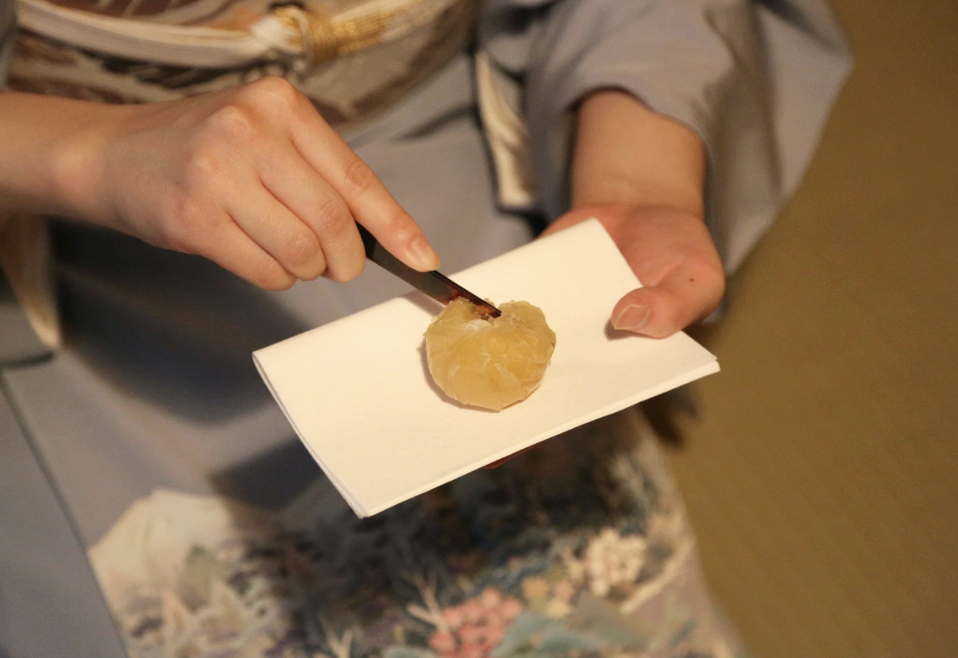
Kaishikiri(菓子切り) – A Dessert Knife
Kaishikiri is a thin and dull knife (usually made of wood) that is used to cut and eat the sweets given to guests. It acts like a toothpick or a skewer when guests eat their desserts.
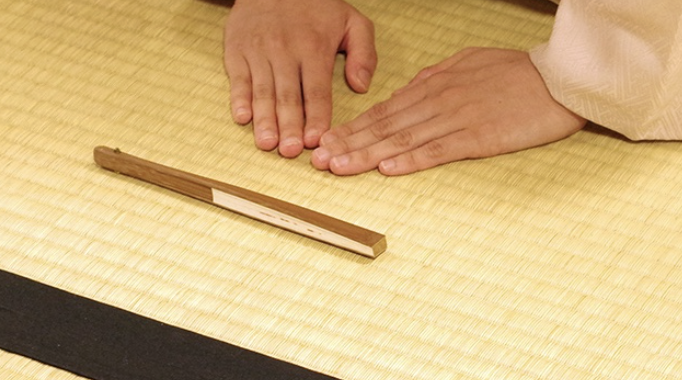
Sensu (扇子) or Sado-ogi (茶道扇) – A Fan Used to Greet the Tea Master
Now you may be wondering, why would one need a fan in a tea ceremony? Well, it is used as a way to respectfully enter the room. By placing the fan down in front of you, you are showing your respect to the tea master in front of you. You do not need to open or use your fan outside of the initial greeting.
The fan should be kept on your left side until the tea master has arrived, before it is moved in front of you – the top of the fan facing to your left. Once the greeting is complete, please put the fan away. This signifies the beginning of the chanoyu.
Conclusion
Now that you have the basics, have you seen these tools used in tea ceremony before? Would you like to know where to purchase them? Tokyo Matcha Academy is associated with Thea Caravan, which is a one stop shop for everything related to sado! If you’re looking for quality items such as beautiful tea bowls or unique pesticide free matcha: we have you covered!
You can also visit our tea room in Tokyo to learn more about the history and agriculture surrounding matcha products – both in Japan and around the world! The experience is intended to be a relaxed and hands-on, with guests being able to learn how to properly whisk matcha and taste rare matcha from around Japan. If you’re interested, please book your spot here.
We look forward to seeing you there!
You might also like:
- Mysticism to Mindfulness: Introduction to Beverage-Based Ceremonies Around the World
- How Tea Ceremony Teaches Mindfulness Through The Senses
- A Beginner’s Guide to the History of Japanese Tea Ceremony
- Zengo in Japanese Tea Ceremony: 5 Important Zen Words Behind the Spirit of Matcha
- 5 Most Important Tea Ceremony Manners Every Beginner Should Know
- First Tea Ceremony in Japan? Try Bringing These Items!